For Campus Safety
Protect Every Person. Respond in Real Time.
LiveSafe gives your security team instant visibility into every reported concern, with two way communication, GPS location data, and coordinated emergency response tools designed for understaffed, high pressure teams.

How LiveSafe Helps
See Every Concern. Respond With Confidence.
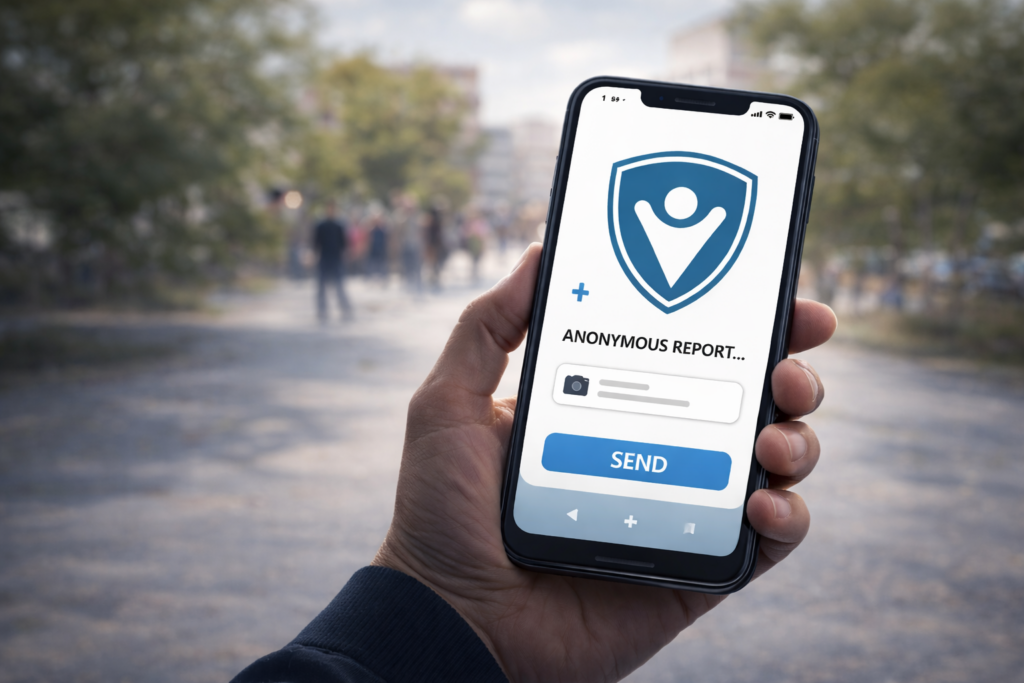
Anonymous, Mobile Reporting
Campus safety teams face mounting pressure with fewer resources, disconnected systems, and growing community expectations. LiveSafe was built to change that. Students report concerns, request help, or share anonymous tips from their phones, becoming your eyes and ears across the campus.
- Tip Reporting – Allow community members to report tips, anonymously or not.
- Two-Way Chat – Gather additional intel through two-way secure chat.
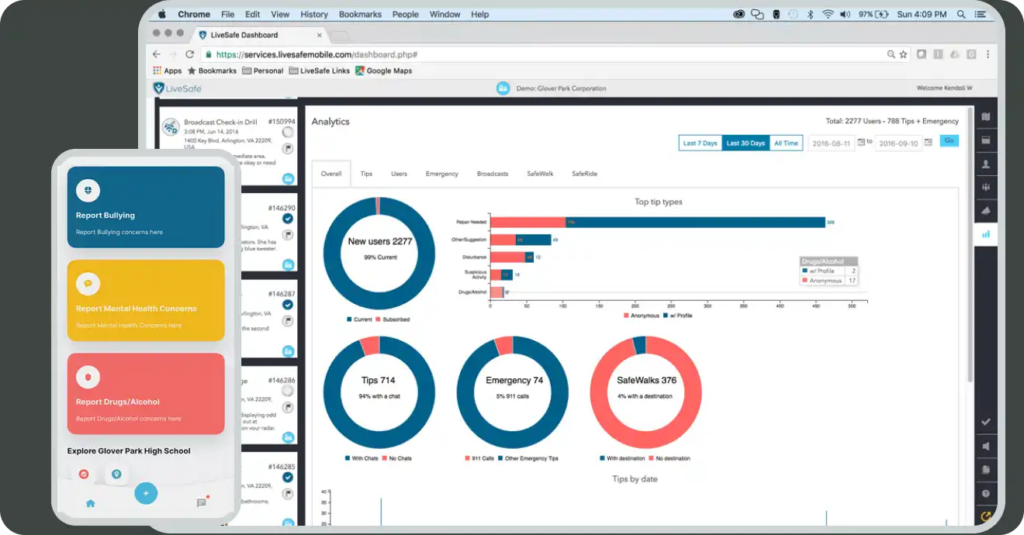
- Tip Routing – Route tips to the appropriate campus official.
Real-Time Team Visibility
Your security teams see every report in a centralized dashboard with context, location data, and the ability to communicate directly with the reporter in real time.
- Web Dashboard – Manage and respond to emergency situations with a real-time view of your campus.
- Connect to External Groups – Communicate securely with external groups, such as local law enforcement.
- Secure, Protected Platform – SOC-2 certified and includes advanced encryption options.
Personal Safety Tools
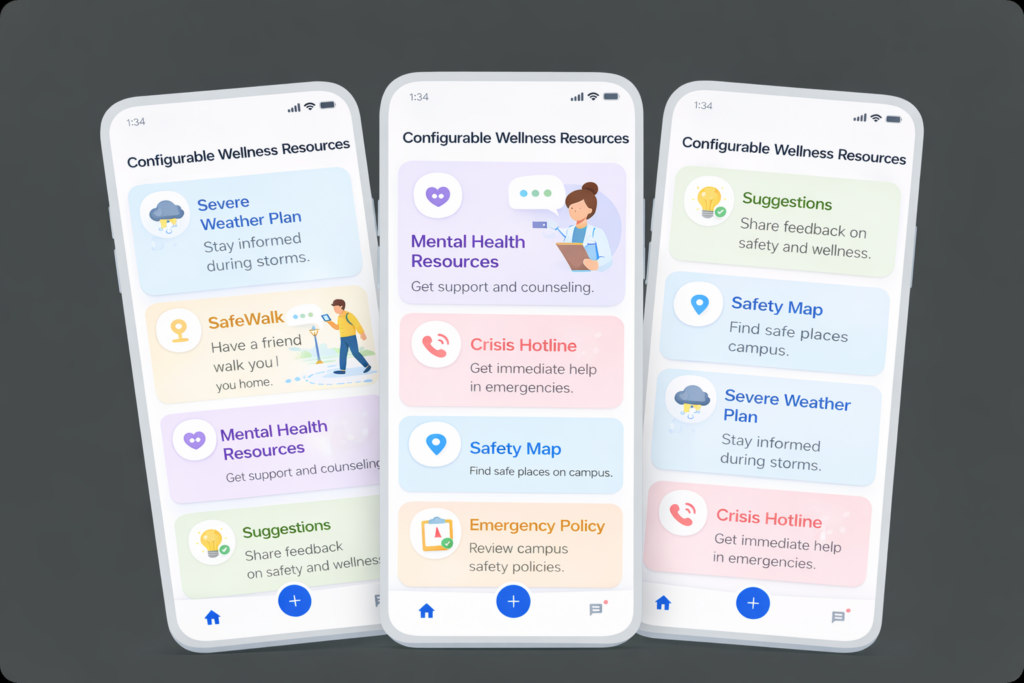
Equip students with personal safety tools that connect them to counseling hotlines, crisis resources, and campus safety services right inside the platform, so they always know where to turn when they need help.
- Emergency Options – Quick access to emergency help and/or a panic alarm.
- Safety Map – Find “safe locations” and/or important campus buildings.
- Resources – Access security protocols, procedures, and/or policies.
- SafeWalk / SafeDrive – Travel safely with a virtual escort on campus.
Your Biggest Challenges as a Safety Officials

Limited Visibility
Limited Visibility
Patterns like repeated suspicious activity or escalating behavior are hard to detect when data lives in silos or reports are incomplete.

Staffing Constraints
Staffing Constraints
Many campus police and safety departments are stretched thin, covering large areas with limited personnel.

Underreported Incidents
Underreported Incidents
Most students don't report incidents through formal channels. Without an accessible reporting tool, critical concerns go unheard.

Community Trust
Community Trust
If students don’t trust campus safety or feel disconnected, they’re less likely to engage, report, or follow guidance.
Fragmented Communication
Fragmented Communication
Mass notifications, dispatch, and on-the-ground updates can get disjointed, especially across multiple systems or departments.
Addressing Your Concerns
Safer Campuses Start with Smarter Solutions
High Student Incident Report Rates
Simple, mobile-first design means students actually use it. Giving your team's unmatched insights into emerging risks.
No Additional Workload
Centralized workflows and automated routing mean your team works smarter, spending less time chasing information and more time keeping students safe.
Centralized Communication
Centralized communication tools, paired with clean workflows, ensure the right person gets the right message at the right time, while enabling officials to receive two-way information from users during active situations.
Builds Trust with Your Community
When students see that reporting leads to real action, it builds the institutional trust that encourages more students to speak up before situations escalate.