Campus safety teams are expected to respond instantly, often with limited or incomplete information. A call comes in, a report is filed, or a situation escalates and officers are asked to act quickly without always knowing exactly what they are walking into. Mobile-based emergency tools fundamentally change that dynamic by delivering real-time visibility, direct communication, and actionable data the moment an incident begins.
One of the most critical capabilities is the in-app emergency option. With two taps, a student, staff member, or visitor can connect directly with campus security. What makes this especially valuable for officers is not just the alert itself, but the context that accompanies it. When a user initiates an emergency request, their location is shared automatically, allowing dispatchers and responding officers to immediately understand where help is needed.
Its like having a blue light phone in the pocket of every student, faculty member, or visitor.
Instead of relying on verbal descriptions like “near the library” or “in the parking garage,” officers receive precise location data. This reduces confusion, shortens response times, and increases the likelihood of a successful outcome.
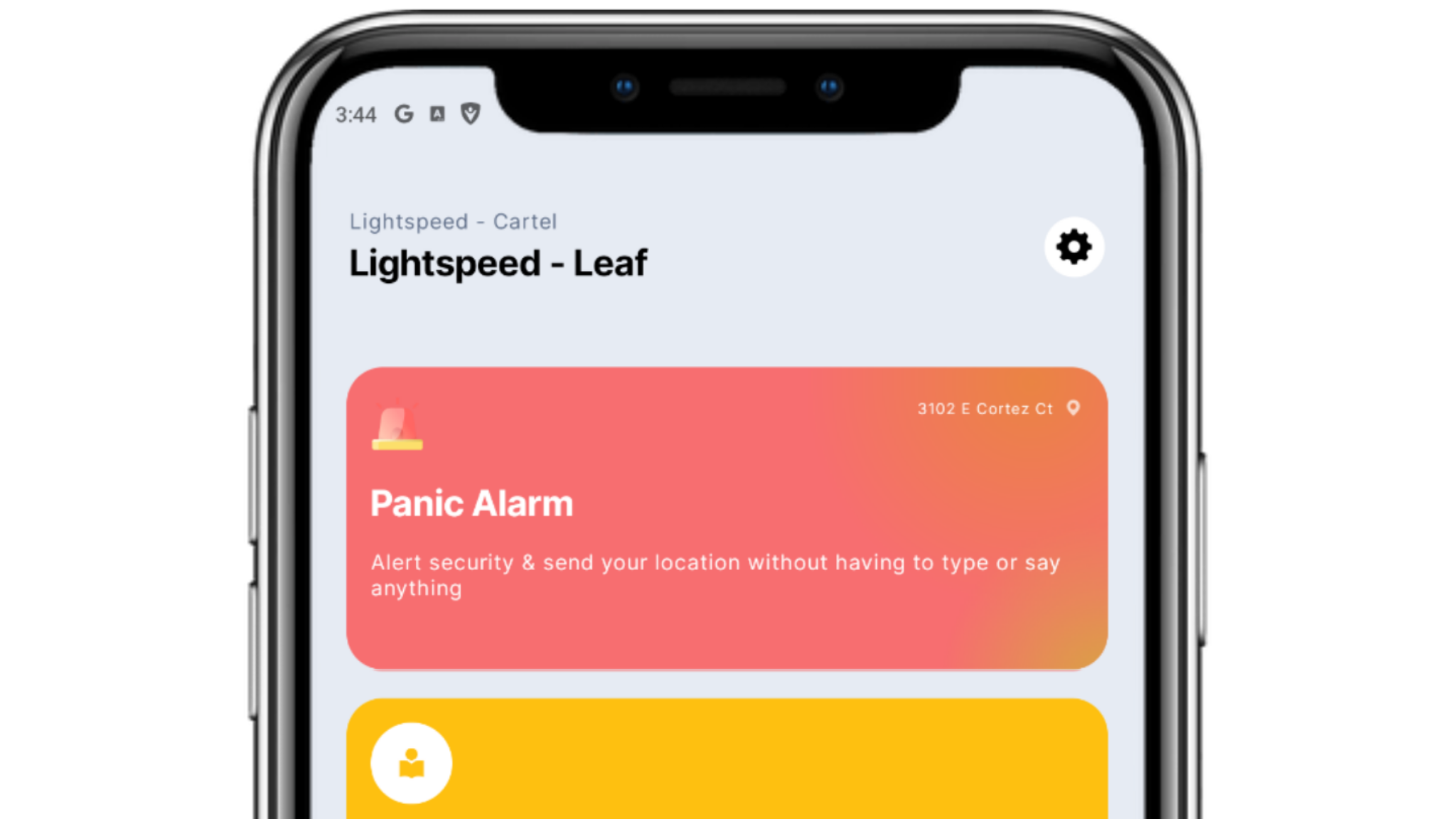
The mobile panic alarm builds on this foundation by enabling discreet activation in high-risk situations. In scenarios where speaking could escalate danger or is simply not possible, users can trigger an alert silently with just a couple of taps. Once activated, campus safety teams gain access to a continuous stream of information, including:
- Real-time location tracking
- Ongoing updates as the individual moves
- A direct messaging channel to communicate without requiring a phone call
This combination of silent alerting and live data is particularly important in situations involving threats, medical emergencies, or incidents where the reporting party needs to remain unnoticed. Officers are no longer arriving blind. They can monitor movement, anticipate where the individual will be, and coordinate a more effective response before they even arrive on scene.
From an operational standpoint, these tools significantly improve how dispatch and field teams work together. Dispatchers can relay accurate updates to officers en route, while officers can adjust their approach based on real-time developments. This leads to:
- Faster and more confident dispatch decisions
- Better coordination between multiple responding units
- Reduced time spent locating individuals in large or complex campus environments
Another important advantage is the ability to establish immediate two-way communication. When a panic alarm or emergency request is triggered, officers can open a direct messaging thread with the individual. This allows them to ask clarifying questions, provide instructions, and assess the severity of the situation without requiring a voice call.
For example, if a student activates the panic alarm while walking across campus at night, officers can quickly determine whether they are being followed, feel unsafe, or are experiencing a medical issue. That context allows responders to tailor their approach, whether that means dispatching additional units, coordinating with local law enforcement, or guiding the individual to a safer location.
These tools also integrate naturally into broader campus communication strategies. Once an incident is verified, safety teams can escalate communication through mass notification systems to inform the campus community. This ensures that students and staff receive timely, accurate information and can take appropriate action.
In practice, campus safety teams using mobile emergency and panic tools move from reactive response to informed response. Instead of piecing together fragmented information after the fact, they are equipped with real-time intelligence from the moment an incident begins.
This shift has measurable impact:
- Shorter response times across campus
- Increased confidence among officers and dispatch teams
- Greater trust from students and staff who know help is accessible and immediate
Ultimately, these capabilities extend the reach of campus safety beyond traditional infrastructure like call boxes or fixed panic buttons. Safety becomes mobile, accessible, and always within reach, ensuring that no matter where an incident occurs, officers have the tools they need to respond quickly and effectively.
See how your campus can respond faster when every second counts.
Request a demo to experience real time emergency communication and mobile panic tools in action.