One Table. Every Department. One Mission.
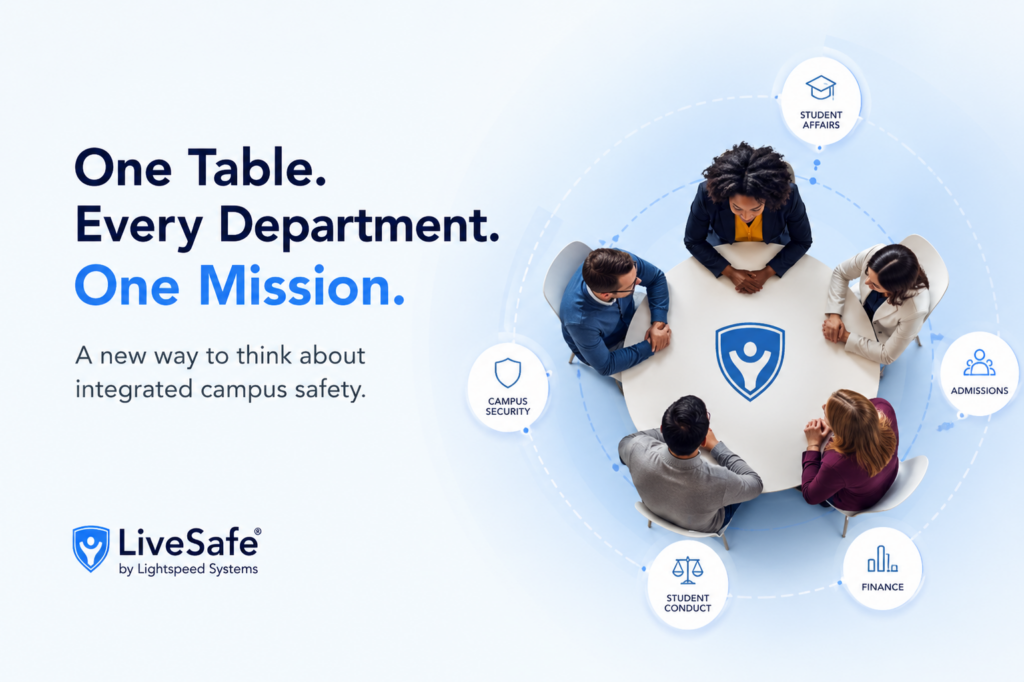
Every institution will face moments that test its systems.
The difference is not whether signals exist. It is whether those signals connect in time to matter.
The campuses that get this right are not relying on chance. They are building infrastructure that brings every department to the same table.
AUCSO 2026 Takeaways: Martyn’s Law, University Security, and the Future of Campus Safety

Key takeaways from AUCSO 2026, including how universities are preparing for Martyn’s Law, strengthening campus security, and adopting early intervention strategies to improve student safety.
What Duke University Teaches Us About Trust-Driven Campus Safety

A real-world example from Duke University highlights how campus safety technology, when paired with accessibility and community trust, can strengthen both individual safety outcomes and broader institutional safety culture.
Using Data and Analytics to Improve Safety Outcomes
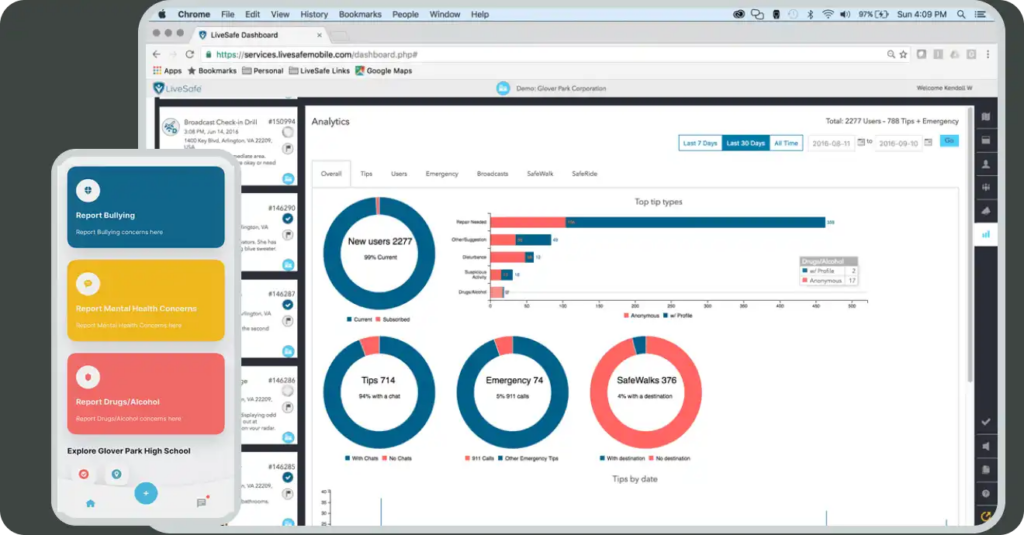
Campus safety is no longer just about responding to incidents as they occur. For executive leaders and risk professionals, the focus has shifted toward understanding risk, identifying patterns, and making proactive decisions that improve safety outcomes over time. Campus risk management software enables this shift by turning fragmented data into a centralized, actionable intelligence system.
Centralizing Student Support and Safety Information
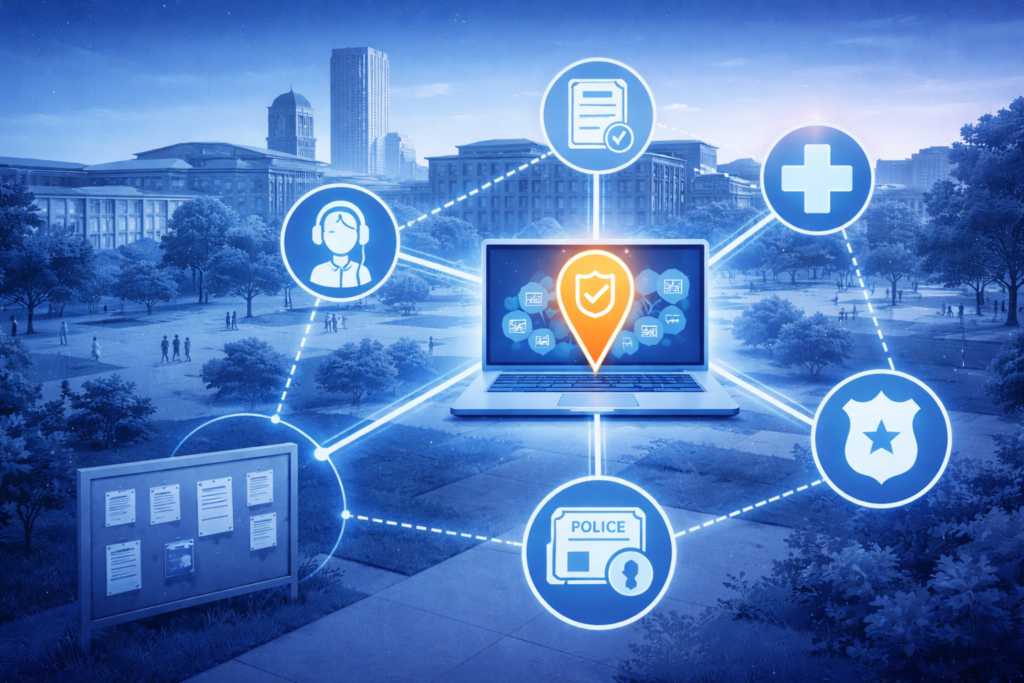
By centralizing resources within a single mobile platform, institutions can provide students with immediate access to essential information. Whether a student is looking for emergency procedures, campus policies, or support services, everything is available in one place.
Campus Safety Mapping & Location Intelligence
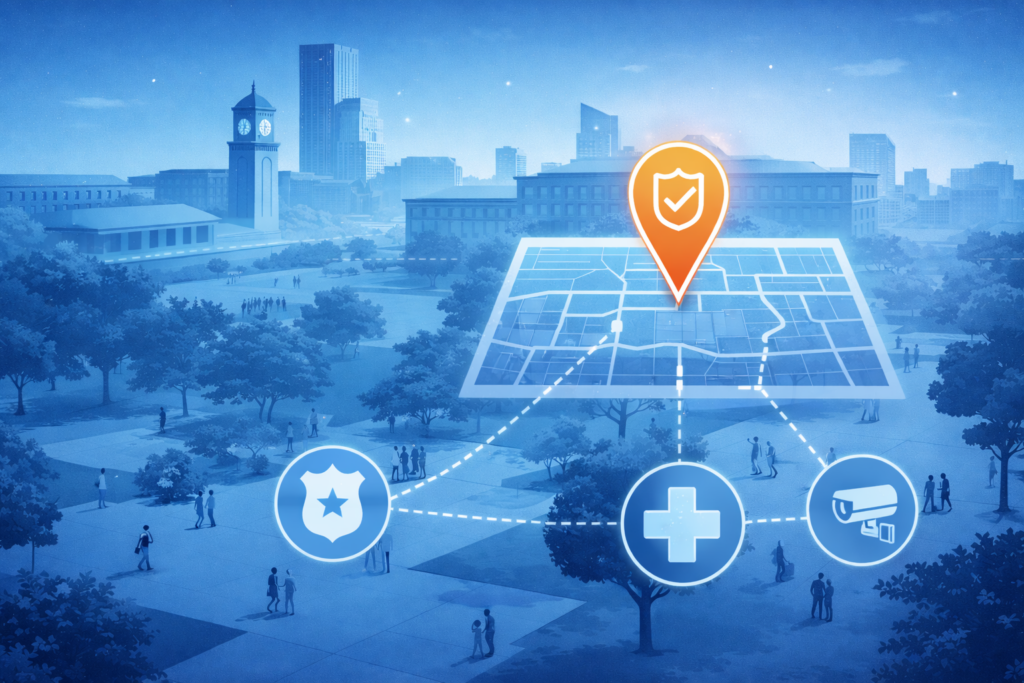
Campus safety is not only about responding quickly. It also depends on understanding where incidents occur, how they evolve, and how location influences risk. Campus safety mapping and location intelligence tools give officers the geographic awareness needed to make faster, smarter decisions in both response and prevention.
Student Safety Apps: Empowering Students with Personal Safety Tools
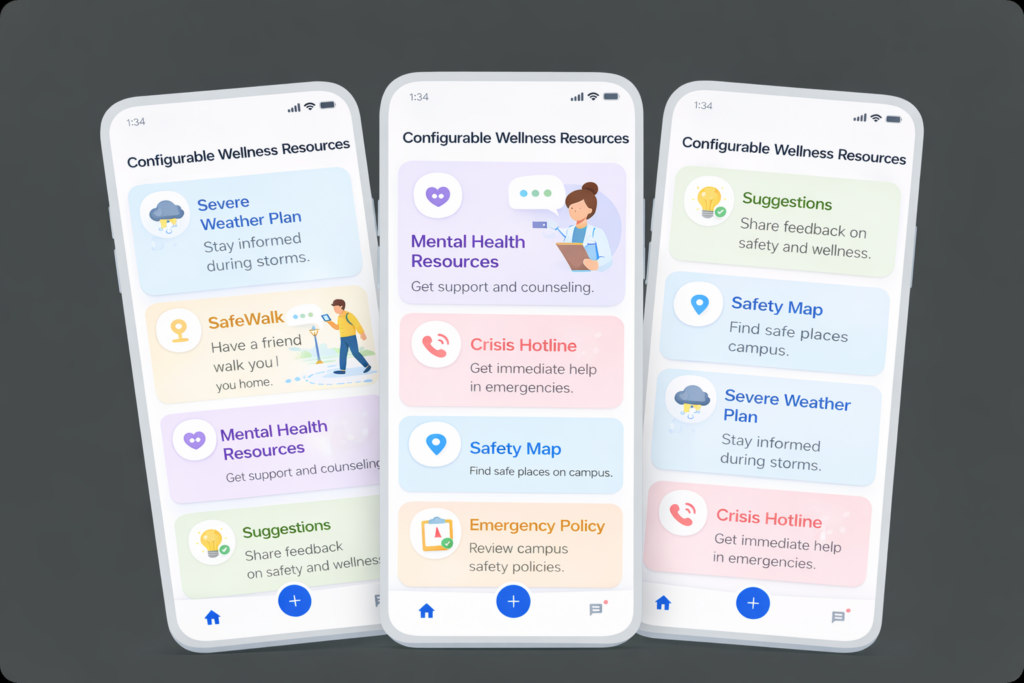
Personal safety features such as SafeWalk offer a practical and accessible solution. This tool allows students to share their journey with trusted contacts who can monitor their progress in real time. Whether walking across campus late at night or traveling in an unfamiliar area, students can feel more secure knowing someone is virtually accompanying them.
Campus Mass Notification Systems: Keeping Students Informed in Real Time
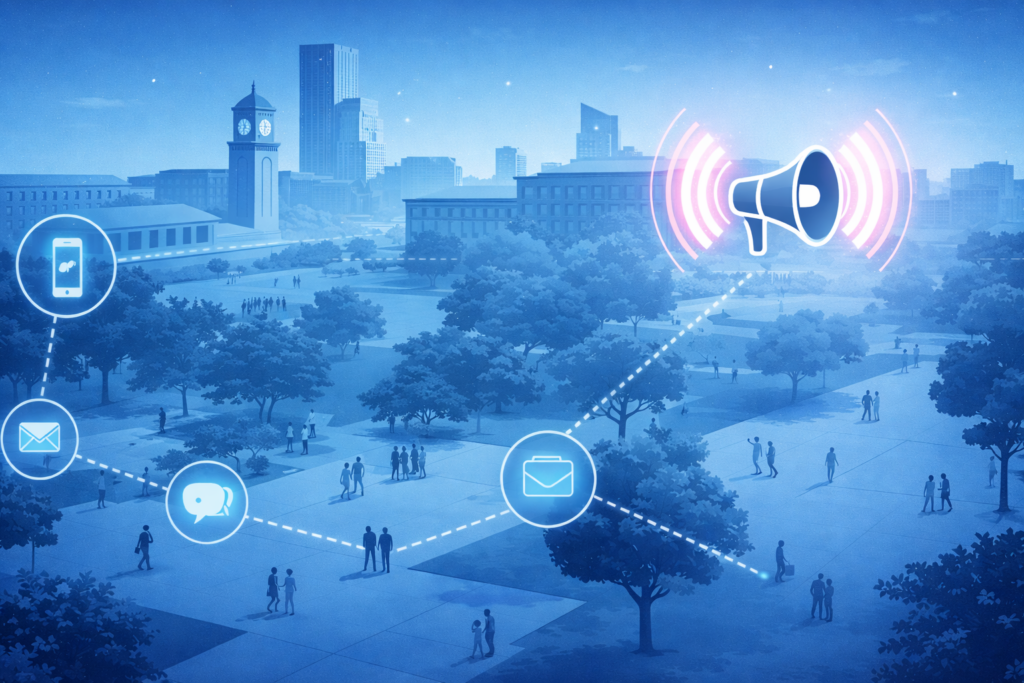
Using SMS, push notifications, email, and voice alerts, administrators can ensure that critical information reaches students wherever they are. This is especially important in dynamic campus environments where students are constantly moving between classrooms, residence halls, events, and off-campus locations.
Campus Safety Reporting Software: Turning Student Reports into Actionable Intelligence

The report tips feature allows users to submit safety concerns quickly using a mobile app. Reports can include photos, video, audio, and precise location data, and can be submitted anonymously to encourage higher participation. This flexibility is critical on campus, where individuals may hesitate to report sensitive issues unless they feel safe doing so.
Faster Emergency Response with Mobile Panic & Emergency Tools
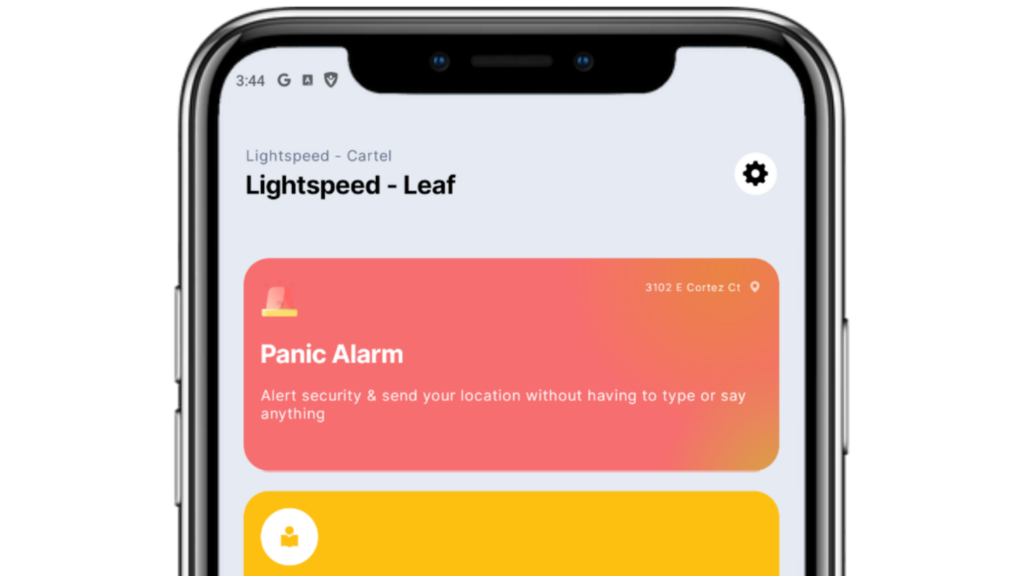
One of the most critical capabilities is the in-app emergency option. With two taps, a student, staff member, or visitor can connect directly with campus security.
