What Gannon University Reveals About Modern Campus Safety
When campuses reopened during COVID-19, higher education leaders faced a complex challenge.
Creating policies was only part of the equation; ensuring they were followed, understood, and supported across the entire campus community proved just as critical.
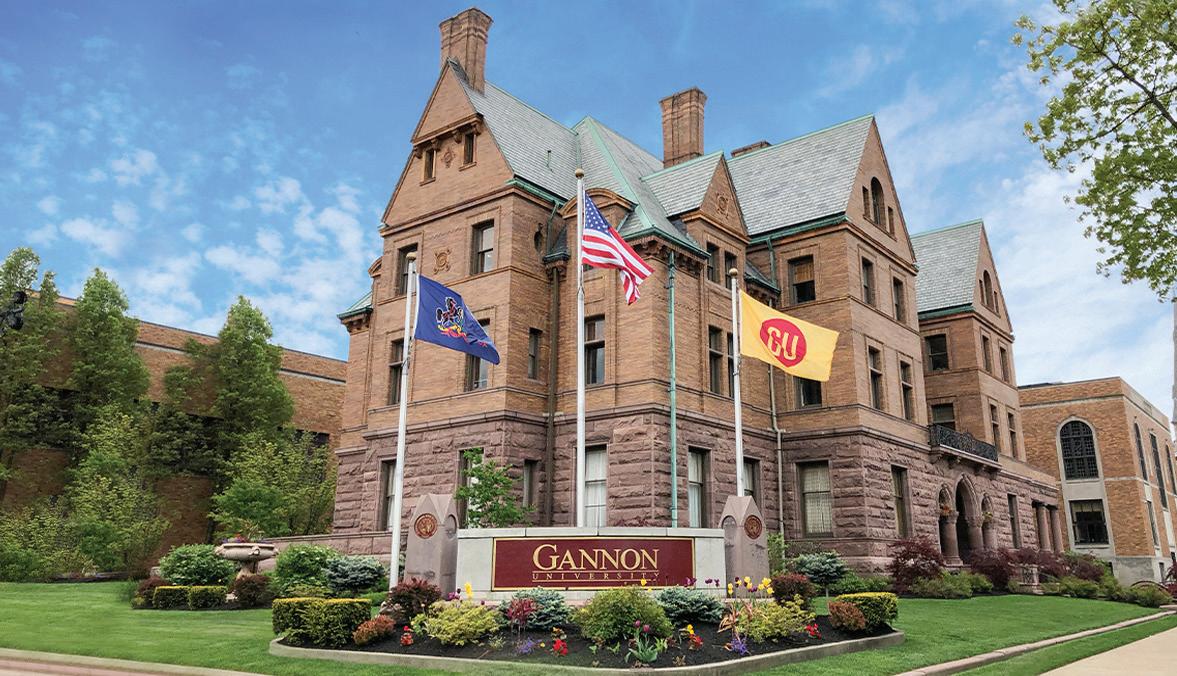
At Gannon University, a private institution in Pennsylvania with approximately 4,500 students, this challenge quickly became tangible. Like many campuses, Gannon implemented new expectations around masking, social distancing, and daily health monitoring. But early in the semester, it became clear that policy alone would not ensure compliance or community wellbeing.
What unfolded offers a useful lens into how institutions can strengthen safety by improving visibility, communication, and shared accountability.
When Policy Meets Reality
As students returned to campus, gaps began to emerge in everyday situations.
Some students noticed that peers were not consistently wearing masks in shared spaces. Others raised concerns about classroom environments where expectations were not always followed. At the same time, reports of off-campus gatherings and parties surfaced, creating additional risk for the campus community.
In many of these cases, students recognized the issue but did not have a clear or comfortable way to respond. The absence of a simple, trusted reporting channel limited the institution’s ability to see and address these behaviors in real time.
At the same time, another set of challenges was unfolding. Students experiencing symptoms, or living with someone who appeared ill, were often unsure how to proceed. Questions about testing, isolation, and next steps created uncertainty during moments that required quick, informed decisions.
These scenarios illustrate a broader pattern. Safety challenges are often less about the absence of rules and more about the gaps between awareness, communication, and action.
Expanding Visibility Through Community Participation
To address these gaps, Gannon created a more direct line of communication between students and the institution.
Students were able to share concerns in real time, including observations about mask compliance, details about social gatherings, and questions related to personal or community health. In many cases, they could do so anonymously, which reduced hesitation and encouraged participation.
This shift expanded the institution’s visibility in a meaningful way. Situations that might otherwise have gone unreported became actionable, giving campus officials a clearer understanding of what was happening across different environments.
Just as importantly, it redefined the role of students in campus safety. Rather than being passive observers, they became active contributors to the wellbeing of their community.
Integrating Safety Into Daily Campus Life
Gannon also took a proactive approach by embedding health and safety practices into daily routines.
Students, faculty, and staff were required to complete a daily health check before coming to campus. This created a consistent mechanism for identifying potential symptoms early and connecting individuals with the appropriate resources, including testing and guidance on isolation protocols.
At the same time, students could access information, ask questions, and better understand evolving expectations through a centralized system. This reduced confusion and made it easier for individuals to take the right steps when faced with uncertainty.
Together, these efforts created a more connected ecosystem, one that supported both prevention and response rather than relying on enforcement alone.
Turning Insight Into Action
With improved visibility and clearer communication channels, the institution was better equipped to respond.
Reports of policy violations, such as gatherings or inconsistent mask usage, could be addressed more quickly. Students navigating health concerns were able to access guidance and support without delay. In each case, timely information enabled more effective intervention.
This responsiveness also reinforced accountability. When community members saw that concerns were acknowledged and acted upon, it strengthened trust and encouraged continued engagement.
A Model for Higher Education Leaders
Gannon’s experience highlights a broader shift in how campus safety is approached.
This period revealed a model with relevance far beyond public health, offering institutions a blueprint for building safer, more responsive campus environments at scale.
For higher education leaders, the implications are clear. Policies remain essential, but their effectiveness depends on the systems that support them. Institutions benefit from creating accessible pathways for communication, empowering community members to participate, and integrating safety into the rhythms of daily campus life.
These principles extend beyond pandemic response. They apply to a wide range of institutional priorities, from student wellbeing and behavioral concerns to emergency preparedness and community standards.
Moving Forward
The next phase of campus safety will be shaped by how effectively institutions connect people, information, and action.
Gannon’s approach demonstrates what becomes possible when visibility improves, communication is streamlined, and responsibility is shared across the community. With the right systems in place, institutions can move from reactive responses to a more proactive, informed model of campus safety.
Continuing the Conversation
As institutions reflect on their current approach, it may be helpful to consider where gaps in visibility, communication, or community engagement still exist and how they can be addressed in a more connected way.
Turn expectations into action across your campus.
See how real time reporting, communication, and engagement tools help build a culture of accountability that actually drives behavior.
